Adult product guides
Vaping vs Smoking for Adults: Risk Context and Rechargeable Device Safety
A practical adult guide to combustion, complete switching, dual use, nicotine and safer charging, storage and handling of rechargeable disposable devices.
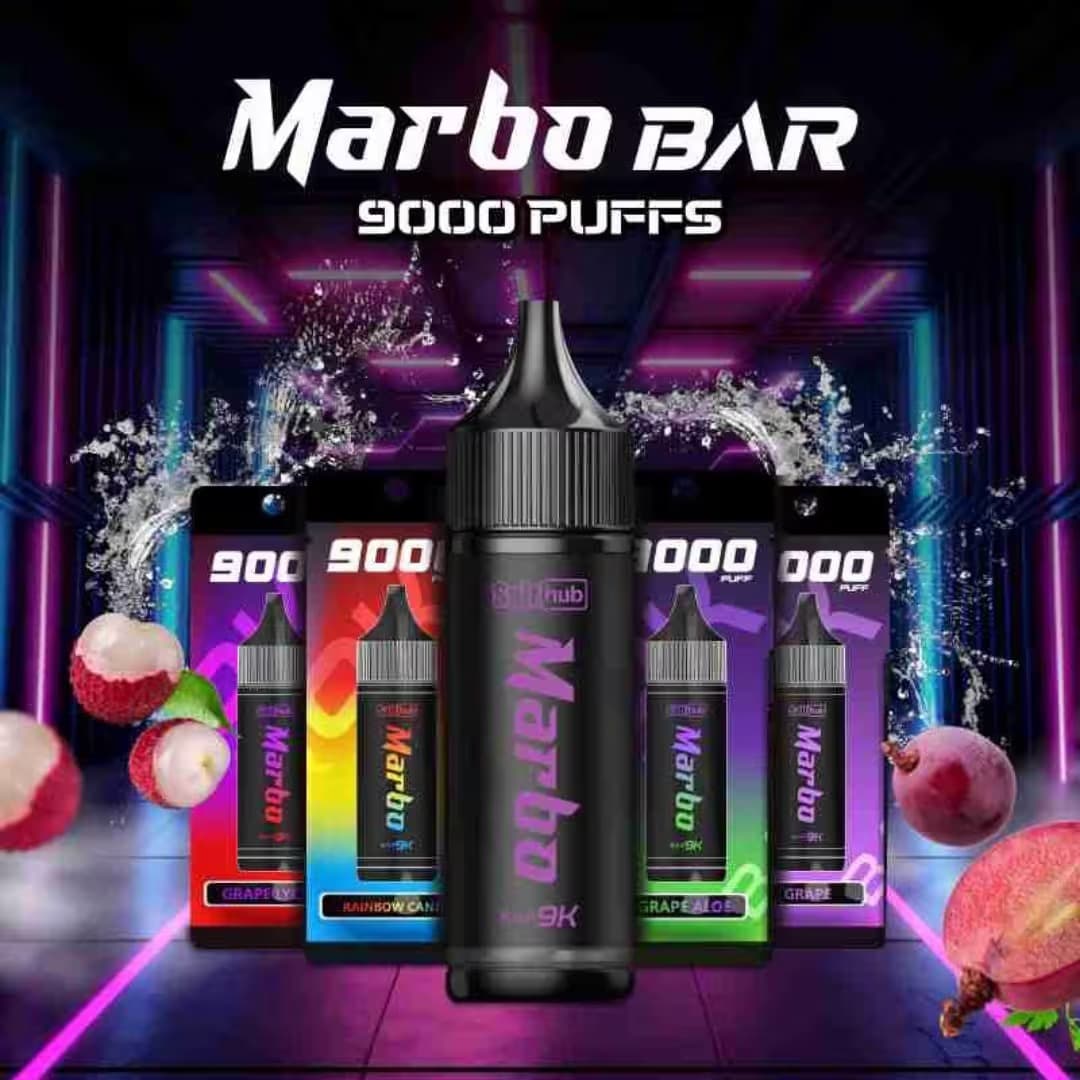
The most important starting point is simple: using neither cigarettes nor vapes is the safest option. Cigarettes create smoke by burning tobacco, while vapes create an aerosol by heating a liquid. That difference changes the mixture and level of substances a person inhales, but it does not turn vaping into a healthy or risk-free activity.
This article provides general information for adults, not personal medical advice. Nicotine is addictive. Adults who have never used tobacco, young people and people who are pregnant should not start vaping.
Combustion is the central difference
A cigarette burns tobacco and produces smoke containing many toxic chemicals. Smoking is linked to cancer, lung disease, heart disease and stroke. A vape does not burn tobacco, but its aerosol may still contain nicotine, fine particles and other potentially harmful substances.
The CDC states that no tobacco product is safe. It says e-cigarettes may have potential benefit for some adults who smoke and are not pregnant when used as a complete substitute for smoked tobacco products. It also notes that no e-cigarette has been approved by the US FDA as a smoking-cessation aid.
Dual use is not the destination
Continuing to smoke cigarettes while also vaping is known as dual use. Reducing the number of cigarettes without stopping combustion still leaves a person exposed to cigarette smoke. The CDC warns that dual use is not an effective way to safeguard health.
Adults who want to stop smoking should ask a doctor, pharmacist or stop-smoking service about evidence-based options. If an adult chooses vaping as an alternative to cigarettes, maintaining both products indefinitely should not be the goal. A plan to move away from combustible cigarettes and eventually reduce nicotine dependence is more meaningful than simply adding a second product.
Traceable does not mean risk-free
Clear labeling, intact packaging and verifiable model information reduce some uncertainty compared with counterfeit devices, unknown liquids or modified hardware. They do not certify a product as healthy.
Avoid devices that have been opened, modified, damaged or filled with an unknown liquid. Do not attempt to refill a sealed device or repair its internal battery at home. If a product arrives with broken packaging, a damaged port or signs of leaking, do not charge or use it.
Charge rechargeable disposables carefully
Both MBAR 10K and Marbo BAR 9K use a USB Type-C port. A matching connector does not mean every power source is suitable for every device. Follow the manufacturer’s instructions and use an undamaged cable.
The FDA’s battery-safety guidance recommends charging on a clean, flat surface away from anything that can easily catch fire and in a place where the device can be seen. It advises against charging on a couch, bed or pillow and against exposing a device to extreme temperatures.
- Inspect the charging port, cable and device before connecting power.
- Charge in a dry, ventilated place away from direct sunlight.
- Keep the device away from fuel, oxygen and other flammable materials.
- Disconnect it after charging and do not leave it charging unattended for long periods.
- Stop immediately if the device becomes unusually hot, swells, smells burnt, makes an unusual sound or leaks.
Store and carry the device responsibly
Keep all nicotine products out of reach of children and pets. Do not leave a device in a parked car in direct sun or in another high-temperature location. Avoid carrying it where it can be crushed, punctured or pressed against sharp metal objects.
Before travel, check the current rules of the airline and destination for lithium batteries and nicotine products. Requirements differ by location and can change; a product being available online does not establish that it may be carried or used everywhere.
Nicotine exposure requires care
Nicotine is addictive, and contact with nicotine-containing liquid can be dangerous, especially for a child. If a device leaks, stop using it and wash exposed skin. Seek advice from a medical professional or poison-control service if liquid is swallowed or concerning symptoms occur.
Flavor names and colorful packaging are never reasons to leave a device where a child can reach it. A locked storage location is safer than relying only on a high shelf.
Know when to stop using the device
Stop using and charging a damaged, swollen, leaking or abnormally hot device. Seek medical help for chest pain, difficulty breathing, severe coughing, marked dizziness or another concerning symptom after use, and tell the clinician what product was used.
Anyone trying to stop smoking or nicotine can ask a healthcare professional for a plan suited to their health history. That support can also help prevent an unplanned period of long-term dual use.
An eight-point adult checklist
- Do not start if you have never smoked or used nicotine.
- If you want to quit smoking, ask about evidence-based support.
- Do not treat long-term dual use as the goal.
- Inspect the label, packaging, port and device before use.
- Charge on a visible, non-flammable surface.
- Keep the device away from children, pets, heat and moisture.
- Stop using it if it becomes hot, swollen, damaged or leaky.
- Follow local battery and electronic-waste rules when disposing of it.
A responsible conclusion
Neither smoking nor vaping is safe. Combustion makes cigarette smoke especially harmful, but moving to a different product does not remove nicotine or device risks. Adults should use verifiable information, avoid prolonged dual use and handle rechargeable devices with the same care given to other lithium-battery products.
Updated: